Power (Composite Poles)
Non-conductive FRP/GRP utility poles rated for 60-80+ year life and 150mph+ winds
What it is
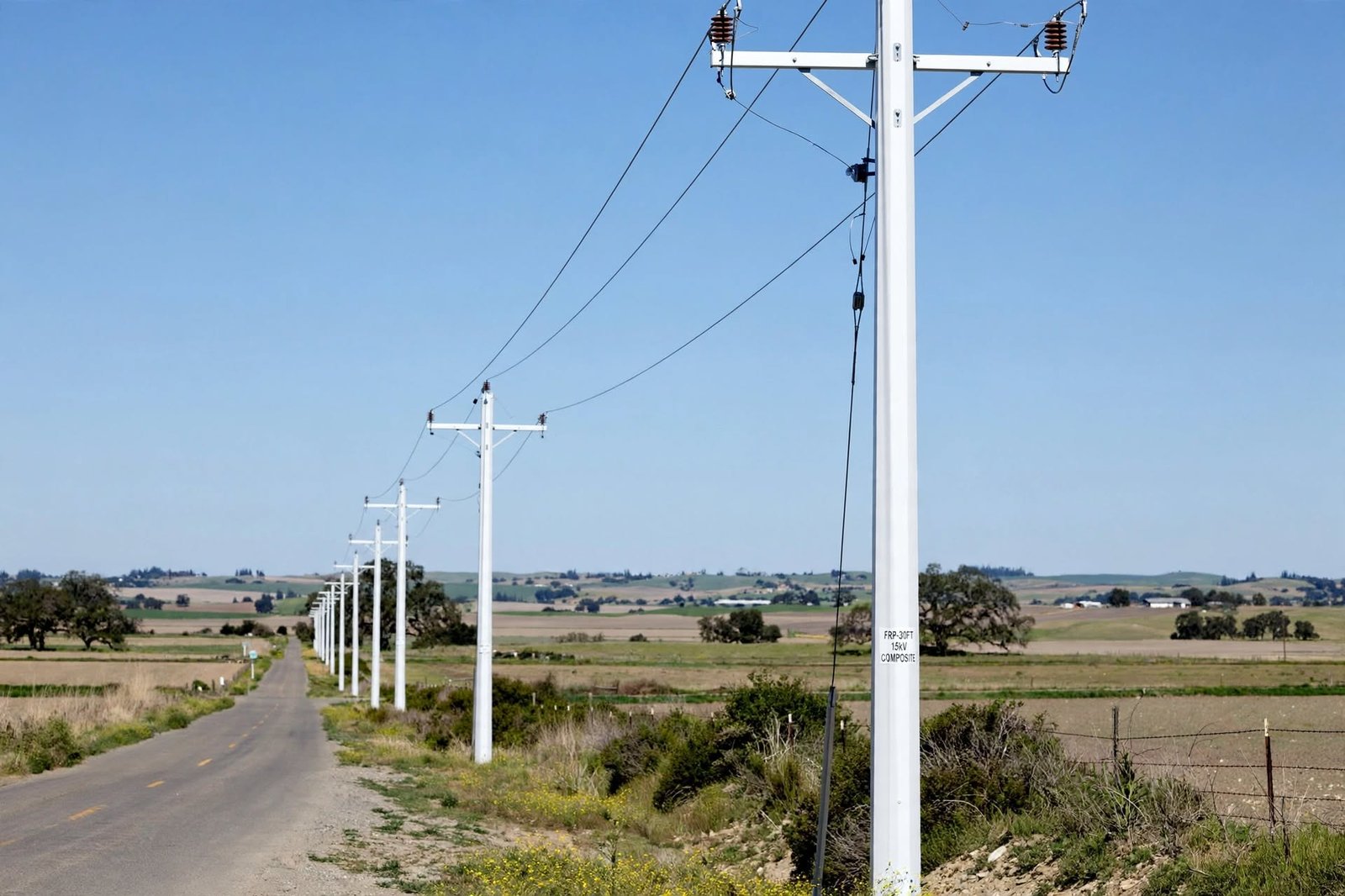
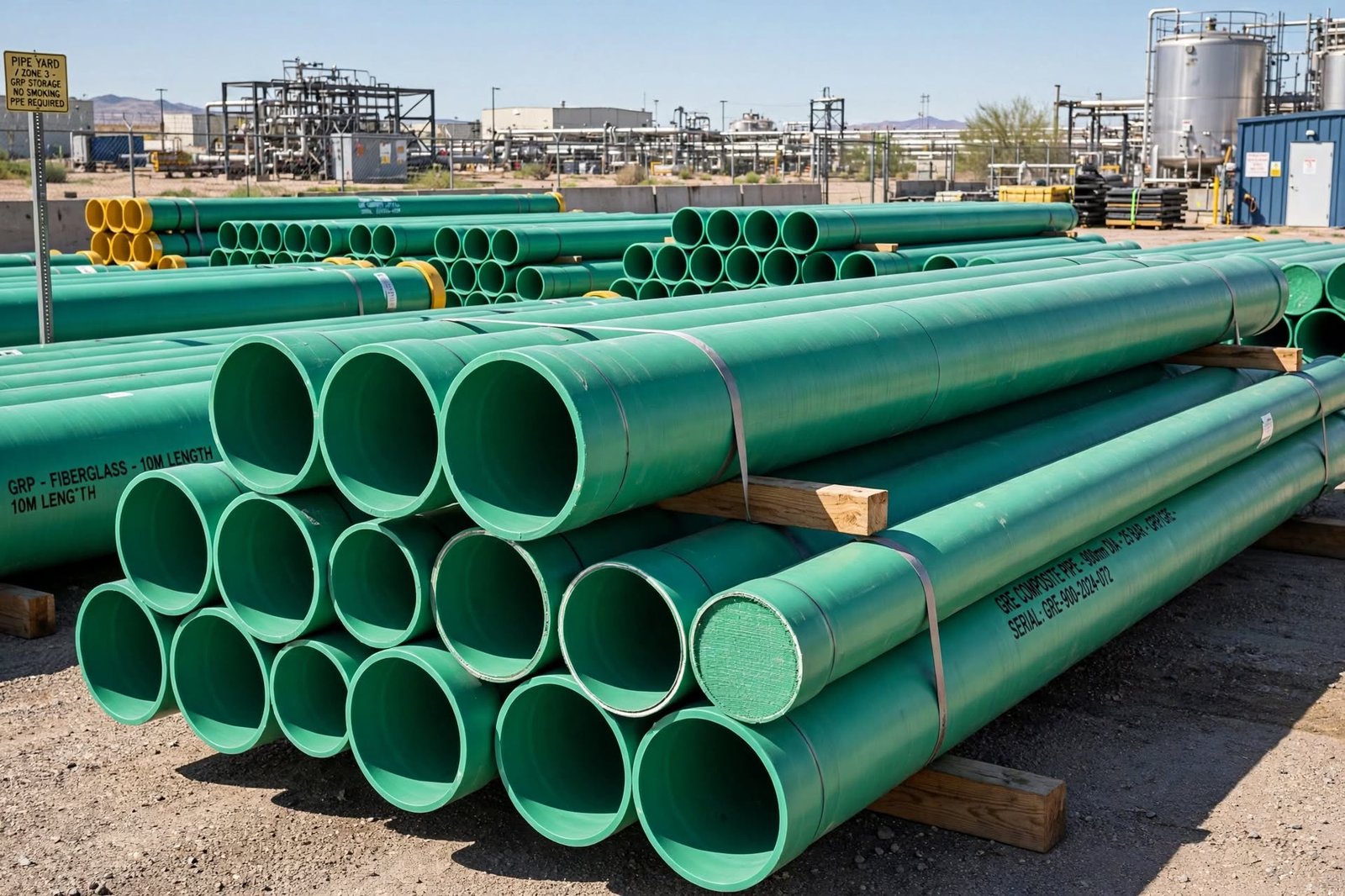
SGV Composite Solutions supplies pultruded fiberglass rovings and UV-resistant polyester resin utility poles that are non-conductive, filament-wound composites engineered for distribution and transmission networks across Nigeria's power and telecom infrastructure.
Available from 30ft to 120ft (9M-36M) in single-pole, H-frame, A-frame and multi-circuit configurations, rated 10kV to 330kV (11/33kV distribution, 132/330kV transmission), with dielectric strength exceeding 15kV per foot and hot-stick test certification.
Poles flex and return under impact rather than yielding like steel or snapping like wood or concrete, absorbing up to 2x the impact energy of wood and 10x that of steel, and are rated to withstand sustained winds of 150+ mph (180 mph gust), well above the 110 mph typical wood-pole failure point. SGV sources from Tier-1 manufacturers including Strongwell and RS Poles, with crew certification for filament jointing, hot-stick recertification for linemen, and a 10-year warranty.
Applications
- 11kV / 33kV distribution networks
- 132kV / 330kV transmission corridors
- Telecom and street lighting structures
- Coastal poles with UV and salt-spray resistance, >150mph wind rating
Specifications
| Material | Pultruded FRP/GRP rovings + UV-resistant polyester |
| Height | 30ft – 120ft (9M – 36M) |
| Voltage Class | 10kV to 330kV (11/33kV distribution, 132/330kV transmission) |
| Configuration | Single pole • H-frame • A-frame • Multi-circuit |
| Dielectric Strength | >15kV per foot, non-conductive, hot-stick test pass |
| Wind Rating | 150+ mph (67 m/s) sustained, 180 mph gust |
| Impact Resistance | Flex-return, 2x wood energy, 10x steel absorption |
| Weight | ~60% lighter than steel, ~70% lighter than concrete |
| Design Life | 60-80 years typical, 70-100 years max field-proven |
| Standards | ANSI O5, IEC 60652, NESC, ASTM D4923 |
The same comparative data holds for utility poles: composites outperform steel, concrete and wood across corrosion, weight, electrical safety and impact resistance. This is the direct comparison SGV uses for T&D and DISCO project decisions.
Composite Poles vs Steel / Concrete / Wood
FRP / GRP Utility Poles 30-120FT vs Traditional
| Criterion | SGV Composite | Steel | Concrete | Wood |
|---|---|---|---|---|
| Corrosion / Decay | Impervious to rot, pests, corrosion, UV and water. Zero maintenance. | Rusts, requires painting/galvanising. | Cracks, spalls, rebar rust. | Rots, termites, 25yr max. |
| Lifespan | 60-80 years typical, 70-100 years max, over 80 years field proven. Twice the life of wood. | 30-40 years. | 40-50 years. | 25 years (treated). |
| Weight & Transport | Much lighter than steel or concrete. 2.5x more poles per truck. 20% logistics saving. Emissions reduced by 20%. | Heavy. | Very heavy, crane needed. | Heavy when wet. |
| Electrical Safety | Does NOT conduct electricity. Non-conductive, low inertia, no electrocution risk. Passes hot-stick recertification. Dielectric >15kV. Safer in transmission. | Conductive, lethal risk. | Conductive when wet. | Conductive when wet. |
| Flexibility & Impact | Flexes and returns to shape. Steel stays bent past yield; wood and concrete snap. 2x the impact energy of wood, 10x that of steel. Highest energy absorption. | Stays bent past yield, must be replaced. | Snaps catastrophically. | Snaps catastrophically. |
| Weather | Withstands heavy storms, snow and wind. Maintains integrity above 150 mph versus wood's 110 mph failure point. | Good, but rust accelerates. | Good, but heavy wind load. | Fails at 110 mph. |
| Installation | Fast and easy to assemble. Lightweight and non-conductive for safer crew handling. Quicker to produce than timber, which needs years to mature. | Heavy lifting and welding. | Crane and foundation required. | Needs treatment, heavy. |
| Environmental | Environmentally friendly and long-lasting. No creosote, no preservatives. Fully recyclable. | Energy intensive, rust runoff. | High CO2 from cement. | Deforestation, chemical treatment. |
Sources: field studies on FRP durability, SGV OEM data, NESC wind ratings. 60-80+ year pole life, 2.5x more poles per truck, non-conductive dielectric above 15kV, flex-and-return impact resistance.