Oil & Gas (Composite Pipes)
Corrosion-proof GRE, GRP, FRP & RTP pipe systems at 1/3 the weight of steel
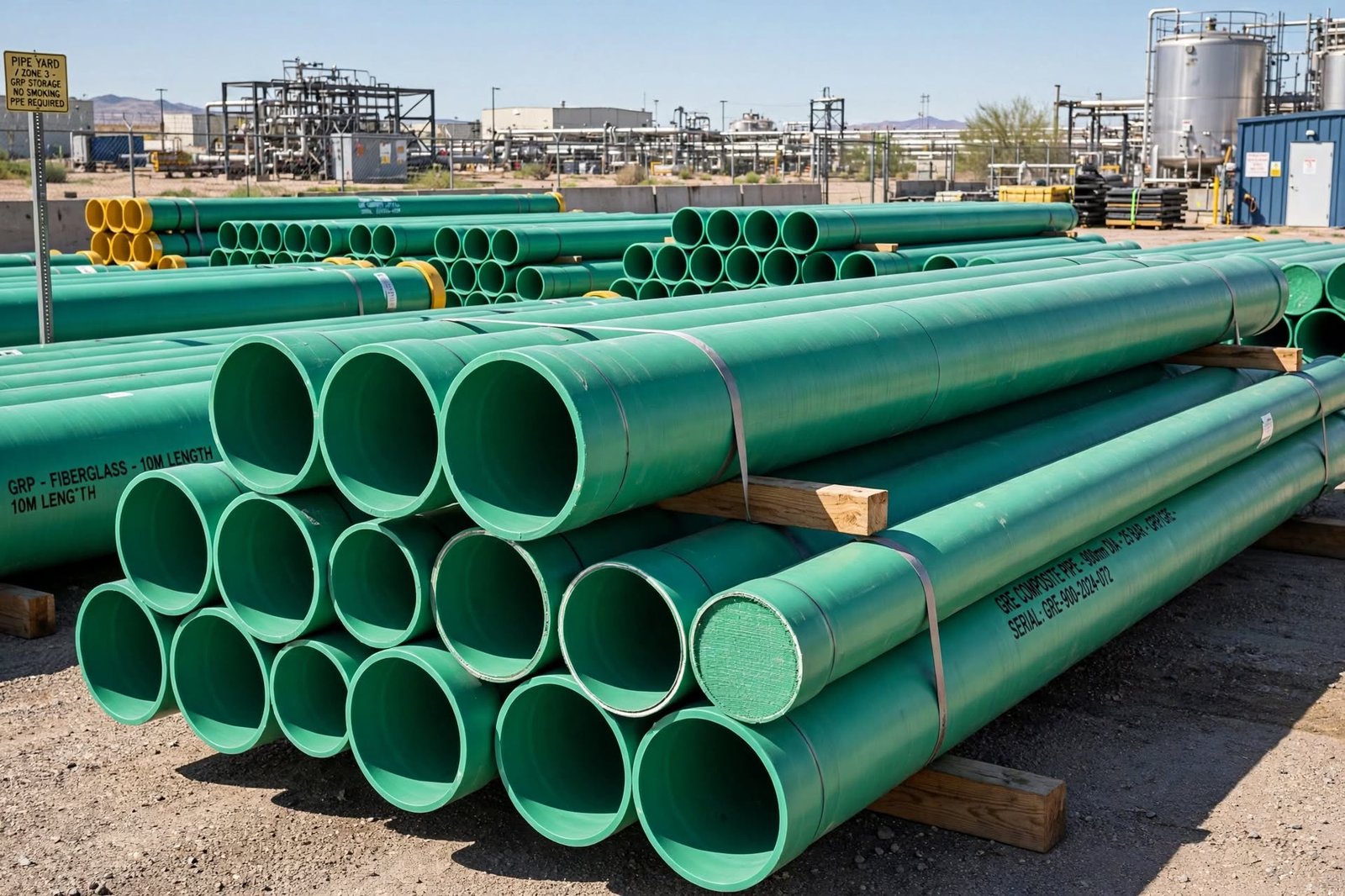
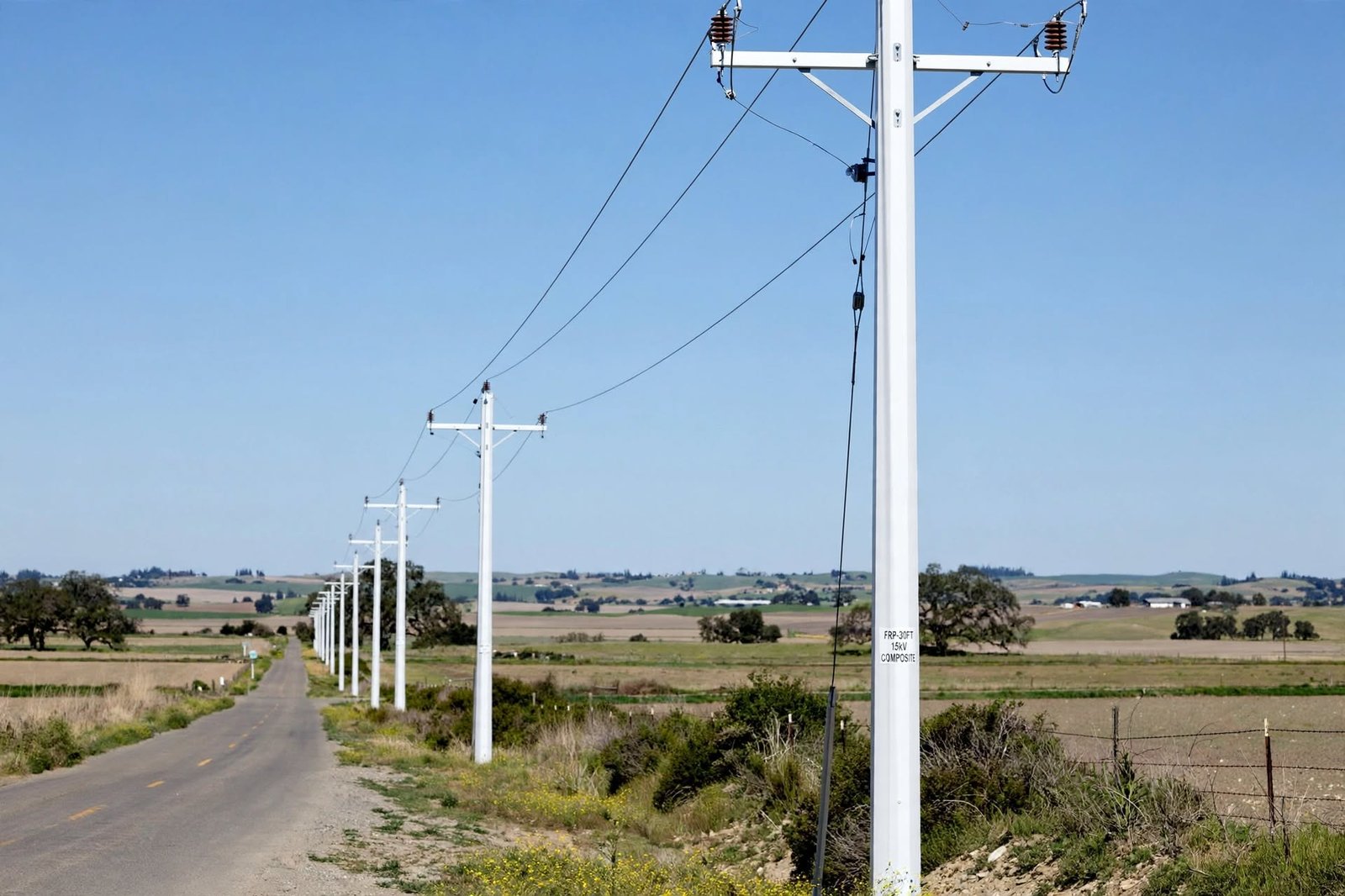
What it is
SGV Composite Solutions supplies high-strength fiberglass and epoxy/polyester resin, filament-wound composite pipe systems, including GRE (Glass Reinforced Epoxy), GRP (Glass Reinforced Polyester), FRP and RTP, engineered for oil & gas, water and chemical service across the Niger Delta and beyond.
Available from 1/2 inch to 40 inch (15mm-1000mm) diameter in standard 10-metre joints (custom up to 12M), rated 25-100 bar (up to 150 bar custom) and continuously from -40°C to +110°C (130°C peak). Connections include bell & spigot with O-ring, butt & wrap, flanged and mechanical.
Zero corrosion, zero pigging and zero cathodic protection are required. The smooth composite bore resists wax and scale buildup for better flow assurance and superior thermal performance versus carbon steel, delivering a 40-50 year design life and a 40-60% total lifecycle cost reduction. SGV sources from Tier-1 manufacturers including Future Pipe Industries, National Oilwell Varco and Strongwell, with full factory acceptance testing and mill certificates.
Applications
- Onshore oil & gas upstream, midstream and downstream flowlines
- Water and wastewater transmission
- Marine and offshore RTP systems
- Niger Delta sour service, saltwater disposal and swamp flowlines
Specifications
| Material | GRE: Glass + Epoxy • GRP: Glass + Polyester • FRP / RTP |
| Construction | Filament wound • Centrifugal cast • Pultruded liner |
| Diameter | 1/2" to 40" (15mm – 1000mm) |
| Joint Length | Standard 10M joint, custom up to 12M |
| Pressure Rating | 25 – 100 bar (360 – 1450 psi), up to 150 bar custom |
| Temperature | -40°C to +110°C continuous, 130°C peak |
| Jointing | Bell & spigot + O-ring / Butt & wrap / Flanged / Mechanical |
| Corrosion Barrier | Vinyl ester / Epoxy / Thermoplastic liner |
| Design Life | 40-50 years at rated conditions, zero cathodic protection |
| Standards | API 15LR, 15HR, ISO 14692, ASTM D2310, D2996 |
Independent studies and field data from Niger Delta operations show composites eliminate the three biggest cost drivers in oil & gas pipe systems: corrosion, weight and maintenance. Below is the direct comparison SGV uses for FEED decisions.
Composite Pipes vs Steel Pipes
GRE / GRP / FRP / RTP vs Carbon Steel with CP + Coating
| Criterion | SGV Composite | Carbon Steel |
|---|---|---|
| Corrosion Resistance | 100% corrosion resistant, no rust, no cathodic protection, no chemical inhibitor required. Impervious to H2S, CO2 and saltwater. | Corrodes continuously. Requires CP, chemical inhibitors, internal coating and pigging. Major failure mode in the Niger Delta. |
| Weight & Logistics | 1/3 the weight of steel. 2.5x more pipes per truck load. 20% logistics cost saving. Easier handling offshore. | Heavy. Expensive lifting, welding and barging. High freight cost for 10M joints. |
| Lifecycle Cost | 40-60% total lifecycle cost reduction despite higher initial cost. 40-50 years of operation without maintenance. | Lower CAPEX but a 20-30 year lifespan. OPEX dominates: CP, coating repair, pigging and replacement. |
| Hydraulic Performance | Very smooth inner wall with a small friction coefficient; wax and scaling are difficult to deposit. Better flow assurance. | Rough internal surface, scaling and wax build-up, requires pigging. Reduced throughput over time. |
| Thermal Insulation | Superior thermal performance versus steel. Prevents wax precipitation, a major economic problem in flowlines. | High thermal conductivity. Wax precipitation requires heating, chemical treatment and hot-oiling. |
| Maintenance | Zero maintenance. No inspection pigging, no internal coating, no CP monitoring. Install and forget. | Constant maintenance: CP surveys, coating inspection, pigging runs and corrosion coupons. |
| Chemical Resistance | Resistant to chemical and biological attack. Handles H2S, CO2, brine, acids and produced chemicals. | Vulnerable to sour corrosion, MIC and acid attack. Requires inhibitors and liners. |
| Lifespan | 40-50 years of continuous operation without degradation. Design life exceeds steel by 2x. | 20-30 years typical. Often fails earlier in saltwater or sour service. |
Sources: field studies on FRP durability, SGV OEM data. 40-50yr pipe operation without maintenance, 1/3 the weight of steel tube, wax/scaling-resistant smooth bore, thermal superiority prevents wax precipitation.